A Smarter Approach
to Titanium Particulate Inspection
Automating titanium particulate counting and measurement for medical device quality testing using machine learning and stage controller.

Our Purpose
PartiClear is built to make particulate testing more efficient, consistent, and scalable for medical device production. Manual titanium particulate inspection can be slow and operator-dependent, creating challenges for high-volume quality testing.
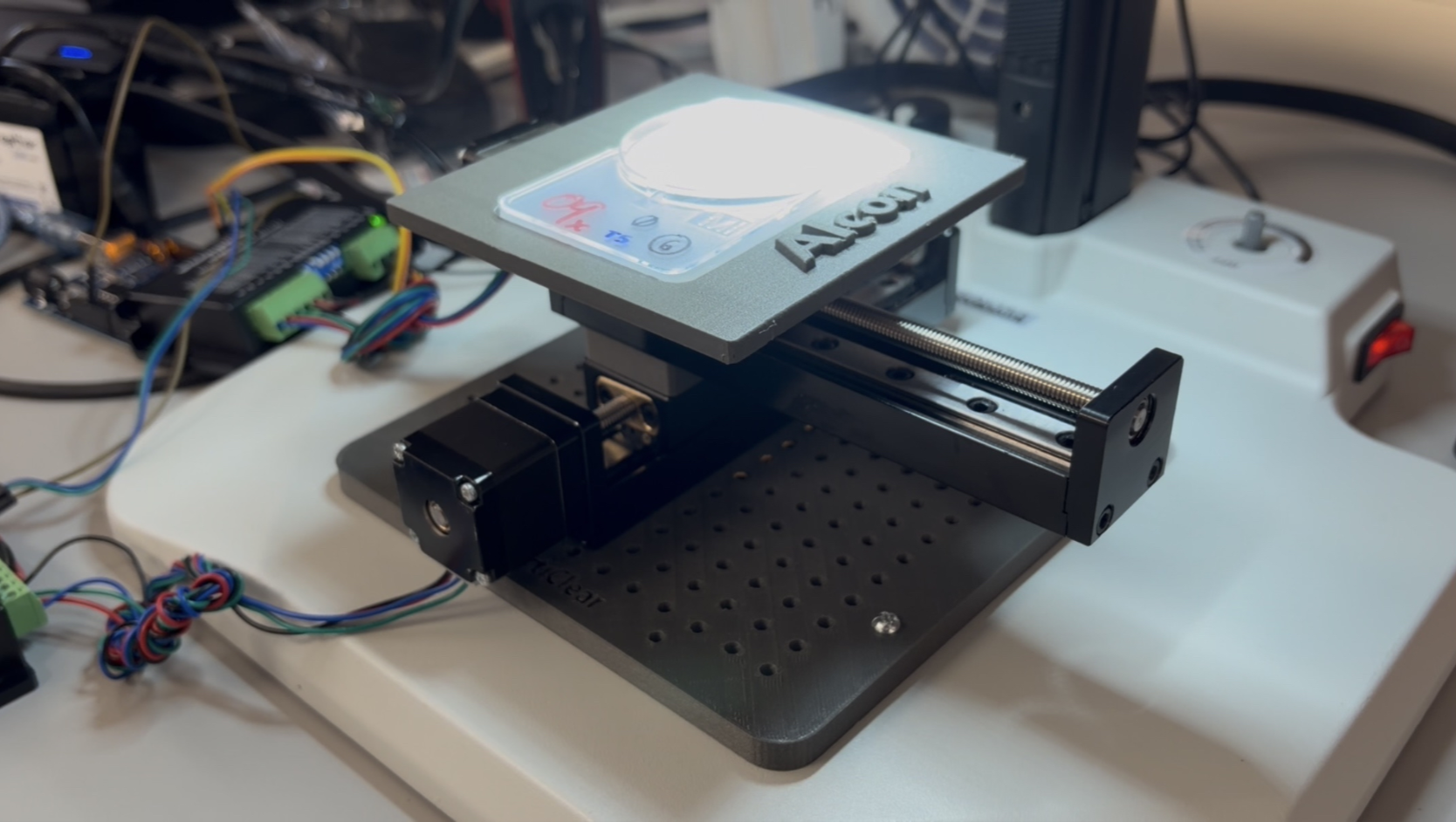
By integrating a motorized stage controller with machine learning-based particle detection, PartiClear helps automate particulate counting and measurement while supporting reliable pass/fail reporting. Beyond improving workflow efficiency, this project reflects the role of engineering in protecting human welfare by strengthening the quality control processes behind devices used in delicate surgical procedures.
Our Design Plans
Automated Slide Scanning
The stage controller moves the filter slide under the microscope in a controlled snake-path pattern, reducing the need for manual slide positioning during particulate inspection.
Machine Learning Detection
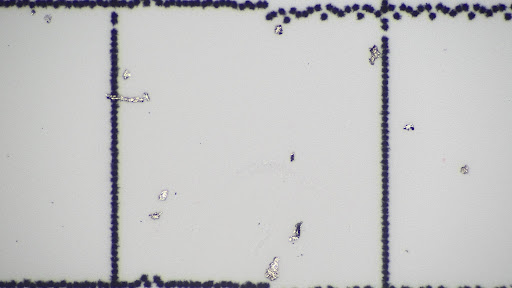
A YOLO-based detection model identifies titanium particulates in microscope images and distinguishes them from other debris such as dirt or lint.
Particle Counting & Measurement
PartiClear uses detection bounding boxes to count titanium particles and estimate particle size, helping support more standardized particulate analysis.
Pass/Fail Reporting
The system is designed to generate a final report summarizing particulate counts by size threshold and identifying whether slides pass or fail quality testing requirements.
Further Explore Our Device
PartiClear automates titanium particulate inspection by combining a motorized microscope stage with machine learning-based image analysis. The system is designed to scan filter slides, detect titanium particles, measure particle size, and support pass/fail reporting for quality testing.
Market & Competitive Strategy
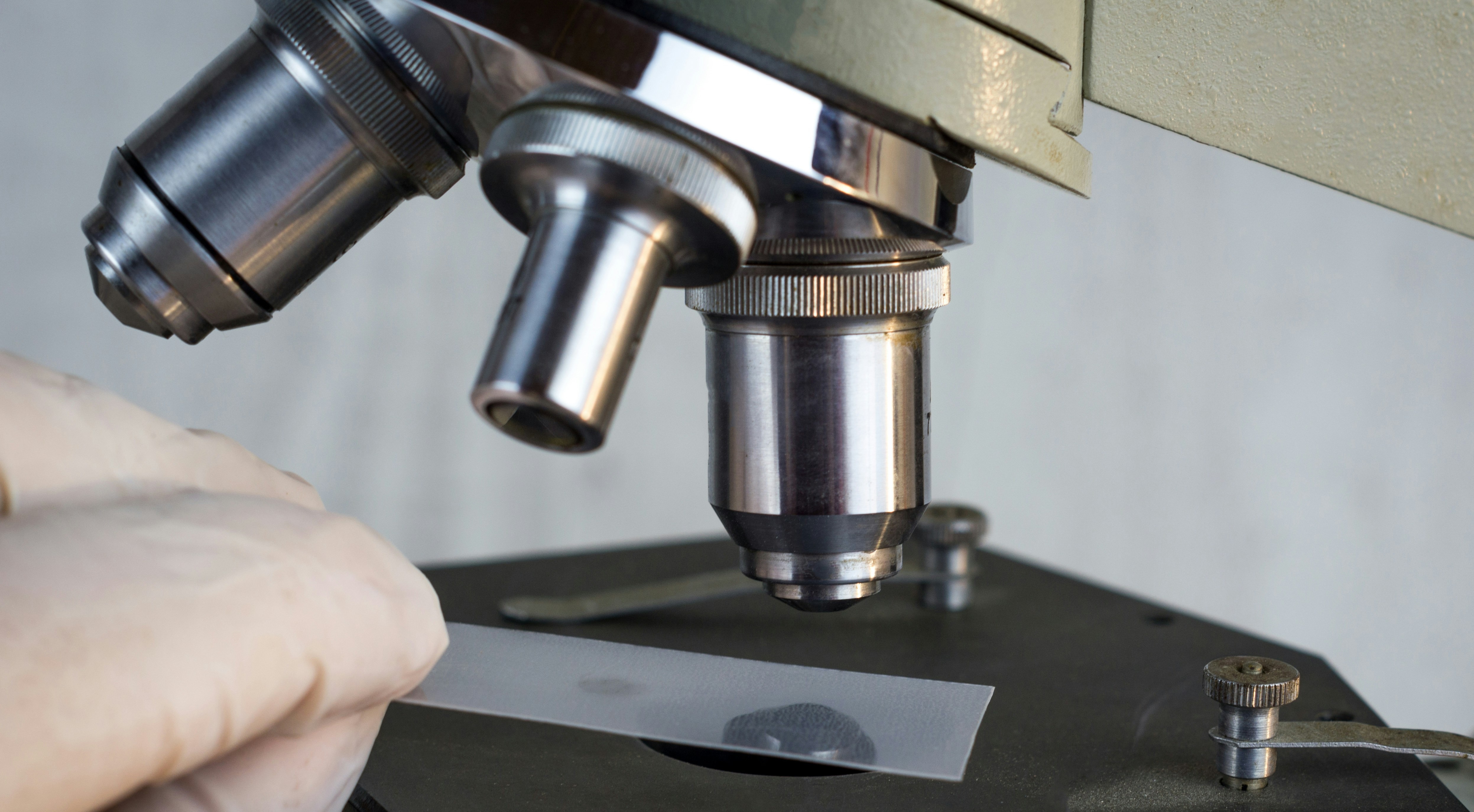
Manual particulate inspection is time-intensive and operator-dependent, creating challenges for high-volume medical device production. PartiClear addresses this gap by supporting faster, more consistent, and more scalable particulate analysis compared to traditional workflows.
Acknowledgements
We would like to thank Alcon, our industry mentors, and the UCI BioEngine team for their guidance and support throughout the development of PartiClear. Their feedback helped shape our design decisions, strengthen our engineering process, and connect our project to a real-world medical device quality testing need.